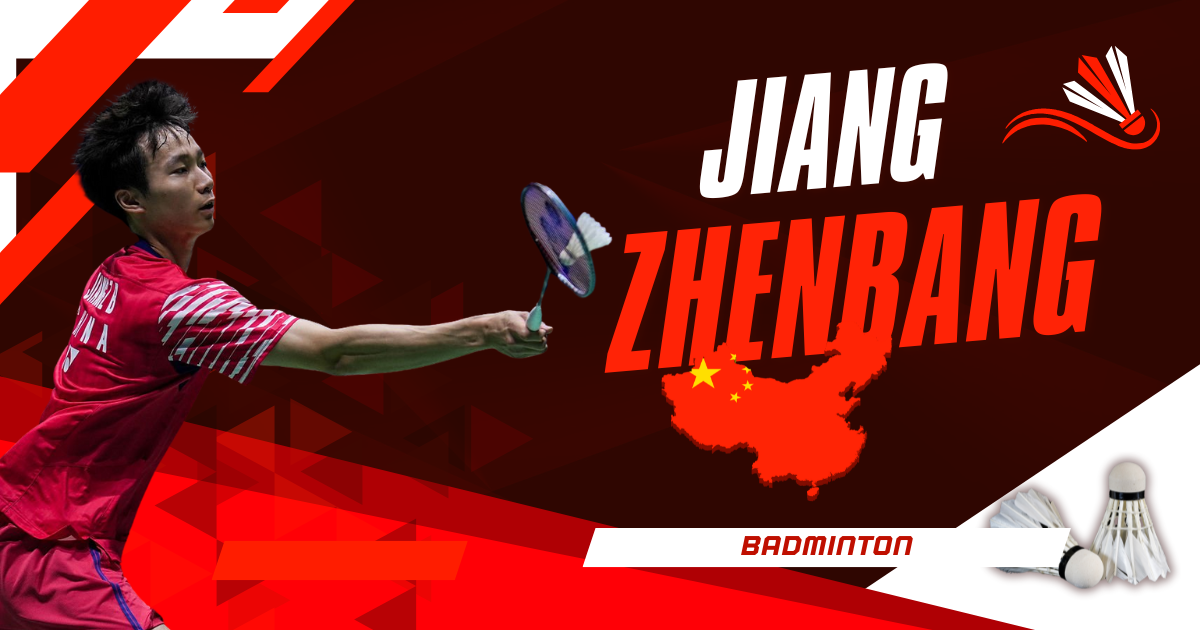
jiang zhenbang
Profile
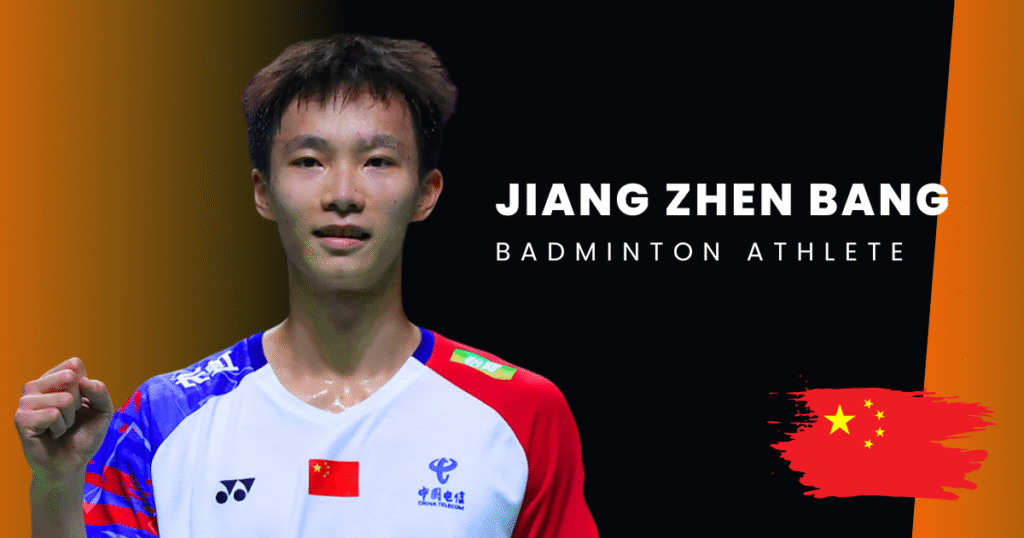
Jiang Zhenbang represents a new generation of Chinese badminton excellence – disciplined, technically refined, and mentally resilient. Rising from regional youth circuits to the pinnacle of the world rankings, he has become one of the defining mixed-doubles specialists of his era. This profile outlines the essential facts about his identity, playing characteristics, and early development that shaped his competitive identity.
To explore his formative years in depth, read the full profile & early biography of Jiang Zhenbang.
Early identity and background
Before examining his career trajectory, it is important to understand the foundations that shaped Jiang’s sporting personality. Born on 28 May 2001 in Guilin, Guangxi, he grew up in a family that valued athletic discipline. His father, a former footballer at the police-team level, exposed him early to structured training and competitive environments – an influence that would later play a pivotal role in his shift toward badminton.
Physical attributes and playing style
From a developmental standpoint, Jiang’s physique is one of the key assets that distinguish him on court. Standing at 1.84m, he combines reach, power, and mobility — attributes ideally suited for modern mixed doubles. His right-handed playstyle favors sharp rear-court transitions, steep attacking angles, and quick phase changes, all of which underpin his effectiveness in high-tempo rallies.
Professional identity and global ranking
As of 2025, Jiang competes primarily in mixed doubles, a discipline where he has established himself at the elite level. He and partner Wei Yaxin reached world No. 1 on 18 March 2025, marking a milestone not only in their individual careers but also in China’s continued dominance in the discipline. His rise from youth prospect to top-ranked athlete reflects both technical maturity and competitive consistency.
What defines Jiang today
Taken together — his background, his physical profile, and his global success — Jiang stands as a representation of the Chinese national team’s next era: athletes who are not simply powerful, but strategic, adaptive, and relentlessly disciplined.
Career
Jiang Zhenbang’s career reflects a classic modern-Chinese badminton trajectory: early specialization, structured provincial training, national team integration, and rapid acceleration once paired with a compatible partner. His rise was not instantaneous; it was a layered progression shaped by discipline, environment, and key turning points.
A season-by-season overview is available in the complete career & tournament journey.
Early exposure and foundational training (2001- 2014)
To understand Jiang’s professional journey, it is important to begin with his earliest years in organized sport. Born into a family that valued athletic development, Jiang started training at a local badminton club at just six years old. Under coaches Liu Zhongxing and Hu Ning, he absorbed basic technical form and competitive mindset – essentials that would later become signatures of his game.
A major inflection point came in 2009. While most children his age were attending regular school, Jiang relocated alone to Shanghai to pursue structured provincial training. Joining the Huangpu District team under coach Yang Ting gave him daily access to advanced drills, athlete dormitories, and a performance-driven environment. By 11, he was admitted into the Shanghai Sports School, a pathway reserved only for the most promising young athletes.
Progression into the national development system (2015 – 2019)
As training intensity increased, Jiang’s tactical understanding matured. Between 2015 and 2018, he transitioned from a talented provincial junior into a national prospect. His bronze medals at the 2019 Asia Junior Championships and the 2019 BWF World Junior Championships, both in mixed doubles, were early signs that he possessed the versatility and poise required for elite competition.
These international achievements moved him closer to China’s national second team – a crucial pipeline feeding future Olympic and World Championship contenders.
Finding his identity on the senior circuit (2020 – 2022)
The step from junior promise to senior credibility is often the most difficult phase for badminton athletes. Jiang navigated this transition deliberately, experimenting with both men’s doubles and mixed doubles to identify where his strengths delivered the greatest impact.
By 2022, clarity emerged. He began focusing on mixed doubles, where his height, rear-court explosiveness, and adaptability aligned naturally with the cooperative demands of the discipline. His partnership with Wei Yaxin, formed later that year, served as the defining shift in his career.
Their early results – titles at the Vietnam International Series and the Indonesia Masters Super 100 – confirmed that Jiang had not only found the right discipline but also the right counterpart.
Breakthrough onto the world stage (2023 – 2024)
These years marked the acceleration phase of Jiang’s rise. He and Wei evolved from promising newcomers into legitimate title contenders.
Their 2023 Asian Championships gold medal in Dubai shocked the field. Later that season, they earned bronze at the 2023 BWF World Championships, becoming one of the youngest Chinese pairs in years to stand on that podium.
On the BWF World Tour, they collected major trophies including the Swiss Open, Japan Open, Hong Kong Open, and – most notably – the Indonesia Open Super 1000, a watershed victory often reserved for established legends.
This period showcased Jiang’s tactical refinement: better shot selection, improved defensive reading, and more composed point construction. He was no longer simply athletic – he was strategic.
Reaching the sport’s summit (2025 – present)
Momentum carried naturally into the next season. In early 2025, Jiang and Wei opened the year with the India Open Super 750 title, reinforcing their status among the world’s elite. On 18 March 2025, they achieved what few mixed-doubles pairs ever touch: World No. 1 in the BWF rankings.
Their runner-up finish at the 2025 BWF World Championships in Paris further solidified Jiang’s position at the top of the discipline. Although silver, the result demonstrated consistency at the highest level – a hallmark of mature champions.
Today, Jiang stands as one of badminton’s most complete mixed-doubles athletes: powerful, intelligent, stable under pressure, and constantly evolving. His career remains in its ascent, with his prime years still ahead.
Jiang Zhenbang & partner
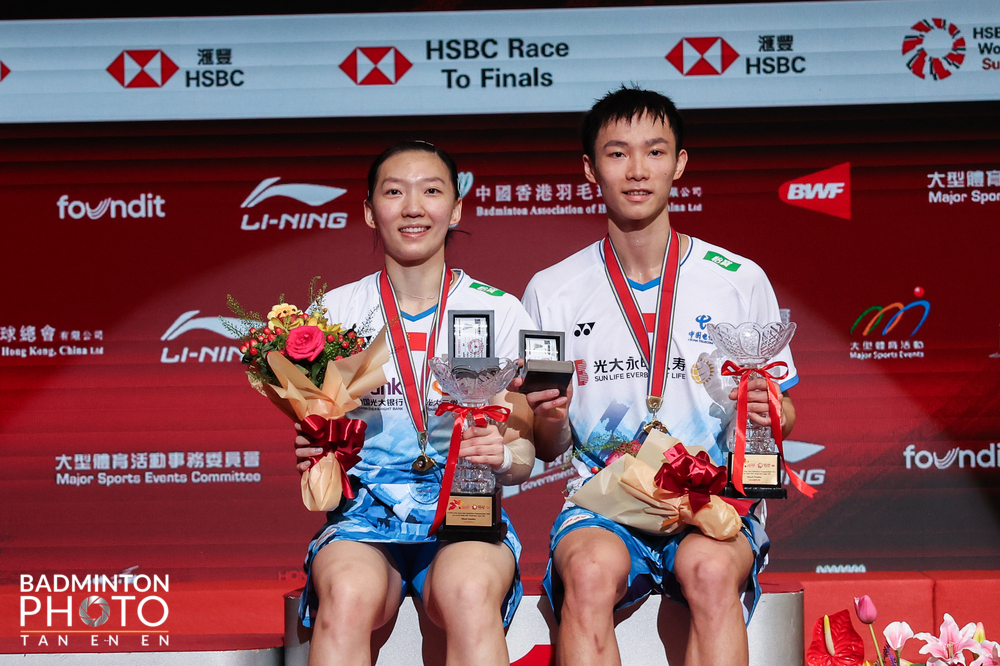
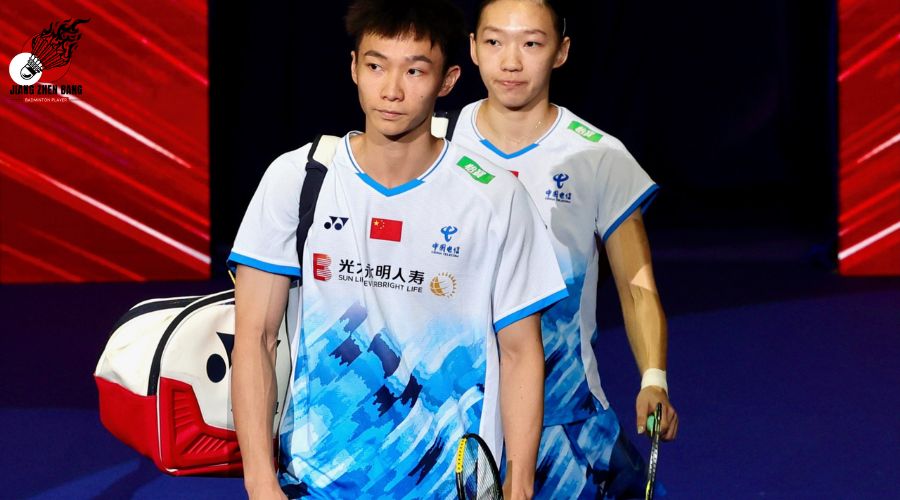
In modern badminton, mixed doubles success hinges on synergy – not simply the skill of two individuals, but how their strengths merge into a unified, fluid, and tactically superior unit. Jiang Zhenbang found that rare compatibility with Wei Yaxin, a partnership that reshaped their careers and altered China’s competitive landscape. Their journey is as much about alignment of roles as it is about competitive ambition.
Formation of the partnership and early chemistry
To fully appreciate their ascent, it is essential to look at how the partnership began. When Jiang and Wei were paired in late 2022, the decision was not immediately framed as a long-term strategy; rather, it was an experiment by the Chinese national coaching team to identify new combinations for the post-Tokyo era.
From their first training blocks together, a noticeable balance emerged. Jiang’s height, rear-court power, and dynamic coverage complemented Wei’s exceptional net anticipation and soft-handed control. Their court conversation – verbal and non-verbal – developed quickly, allowing them to synchronize patterns that typically take years to perfect.
Within months, they secured back-to-back titles at the Vietnam International Series and the Indonesia Masters Super 100, a signal that their pairing had competitive legitimacy.
Complementary strengths and tactical evolution
As they matured on the World Tour, their style evolved beyond raw chemistry. Jiang’s aggressive backcourt identity became the engine of their offense. His steep smashes, fast mid-court interceptions, and ability to maintain pressure from the rear allowed Wei to dominate the front court, dictating pace and forcing opponents into predictable patterns.
Over time, their tactical blueprint became clear:
- Jiang as the backcourt architect – creating angles, applying sustained offensive weight, and extending rallies until mistakes surfaced.
- Wei as the net orchestrator – controlling early shot exchanges, cutting off drives, and shaping openings for Jiang to attack.
A deep breakdown of their tactical tempo and rotation is featured in mixed doubles partnership.
This dynamic positioned them not just as a balanced pair, but as one of the most structurally efficient partnerships in contemporary mixed doubles.
Shared growth through major tournaments
Their biggest breakthroughs came when the stakes were highest. The 2023 Asian Championships gold medal became their first major triumph, a performance that displayed not only technical excellence but psychological composure against top-tier opponents. Their 2023 World Championships bronze affirmed that the earlier result was no outlier.
By 2024, their victories at the Indonesia Open Super 1000, Japan Open, and Hong Kong Open showcased a team that could win across different conditions, against contrasting playstyles, and in varying tactical environments.
Each season added refinement: better rotation patterns, smarter defensive transitions, and improved patience in momentum-shifting rallies.
Peak alignment and ascent to world No. 1
All these incremental gains culminated in their rise to world No. 1 on 18 March 2025. It was not a sudden leap but the outcome of sustained growth – a partnership whose mechanics had become polished, adaptable, and remarkably stable.
Even their silver medal at the 2025 BWF World Championships in Paris reflected maturity. In a field crowded with seasoned rivals, Jiang and Wei demonstrated both resilience and strategic adaptability, characteristics that will likely define their next competitive cycle.
Why this partnership matters
Jiang and Wei’s success carries broader significance. For China, they represent the next generation of mixed-doubles excellence – a discipline where the country historically thrives but faces rising global competition. For Jiang personally, the partnership gives him a platform that maximizes his athletic strengths and accelerates his trajectory.
Their pairing is more than a competitive alliance; it is a case study in how two contrasting yet complementary athletes can elevate each other to the pinnacle of the sport.
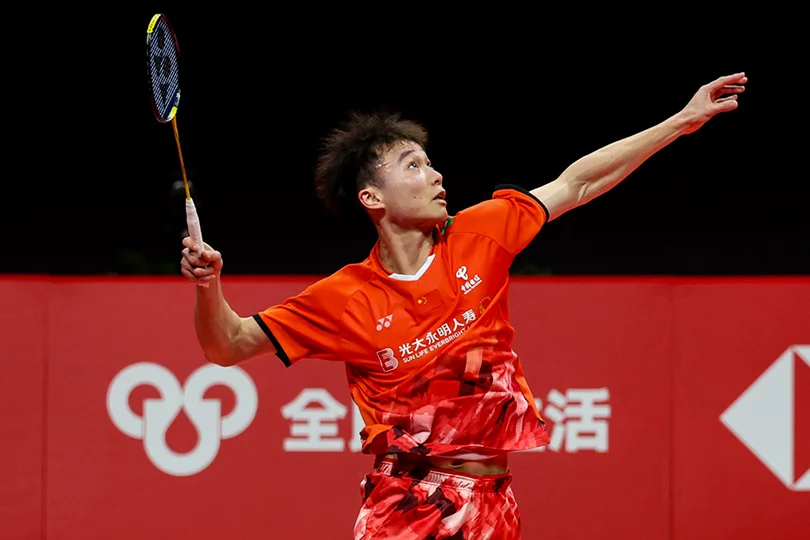
HISTORY
To understand Jiang Zhenbang’s rise from a young provincial talent to a world No. 1 mixed-doubles player, it is essential to view his journey chronologically. His development was not the product of a single breakthrough but rather a series of decisive steps – each shaped by environment, mentorship, and personal resilience. The following milestones chart the formation of the athlete he is today.
Early childhood and athletic influence (2001 – 2008)
The story begins in Guilin, Guangxi, where Jiang was born on 28 May 2001. Growing up in a sports-oriented household provided him with a natural familiarity with competition and structured training. His father, a former footballer for a local police team, introduced him to physical conditioning early, cultivating a mindset that blended discipline with curiosity.
Although originally drawn to football, Jiang’s exposure to badminton began at age six when he joined a local club under coaches Liu Zhongxing and Hu Ning. This period laid the foundation for his technical fundamentals – footwork, grip discipline, and early tactical awareness.
A defining moment occurred in 2008. After witnessing Lin Dan’s heroic Olympic performance in Beijing, Jiang’s father encouraged him to pursue badminton more seriously. This shift in focus redirected the child’s athletic path and catalyzed the sequence of events that followed.
Relocation to Shanghai and the beginning of structured development (2009 – 2014)
The next chapter of Jiang’s history illustrates the sacrifices required of elite athletes. In 2009, at just eight years old, he moved alone to Shanghai – a bold transition that placed him at the heart of one of China’s most competitive training ecosystems.
Joining the Huangpu District badminton team under coach Yang Ting, he entered an environment designed to accelerate young talent. Living in a dormitory away from family, Jiang learned the discipline of daily technical repetition, academic balancing, and emotional independence.
By 11, he earned a place in the Shanghai Sports School, an elite program focused on high-intensity developmental training. Here, Jiang’s technical identity matured rapidly. His height began to outpace peers, enabling him to experiment with rear-court dominance and multi-phase rotation – early signs of the mixed-doubles specialist he would later become.
In 2014, he was selected for the Shanghai provincial badminton team, confirming his status as one of the most promising juniors in the region.
Transition into the national development pathway (2015 – 2019)
As Jiang entered mid-adolescence, the competitive environment intensified. Between 2015 and 2018, he trained and competed under increasingly rigorous national frameworks. His progress was marked by heightened tournament exposure, internal team assessments, and the sharpening of competitive instincts.
The year 2019 became a turning point. Partnered with Li Yijing, Jiang captured bronze medals at both the Badminton Asia Junior Championships and the BWF World Junior Championships. These results positioned him among the world’s top junior mixed-doubles talents and brought him closer to the national second team.
This period clarified two critical truths:
- Jiang possessed the athletic toolkit required at senior levels.
- Mixed doubles – not singles or men’s doubles – provided the best platform for his natural strengths.
Early senior exploration and the search for identity (2020 – 2022)
The transition from junior to senior play is often the most uncertain phase for rising athletes. Jiang’s early senior years were characterized by experimentation, particularly in men’s doubles and mixed doubles. He sought to discover his optimal discipline while adapting to the faster pace and strategic complexity of World Tour competition.
By 2022, clarity emerged. His game flourished when he operated from the rear court with a front-court specialist – a dynamic essential for mixed doubles. His technical precision, improved physical conditioning, and maturing match temperament aligned naturally with the discipline.
Later that year, the Chinese coaching team paired him with Wei Yaxin, a decision that would transform his career. Their immediate success at the Vietnam International Series and Indonesia Masters Super 100 validated the pairing and initiated a new upward trajectory.
Rise to global recognition (2023 – 2024)
This stage of Jiang’s history becomes a narrative of accelerated progress. With each tournament, their chemistry deepened, their tactical play sharpened, and their confidence solidified.
In 2023, they captured Asian Championships gold, followed by World Championships bronze – major results that thrust them into the global spotlight. On the BWF World Tour, their titles at the Swiss Open, Japan Open, Hong Kong Open, and the prestigious Indonesia Open Super 1000 confirmed their consistency.
These achievements demonstrated not only skill but adaptability. Jiang and Wei could win long rallies, dominate tempo, and withstand pressure from veteran opponents. Their progression felt less like a rise and more like an inevitability.
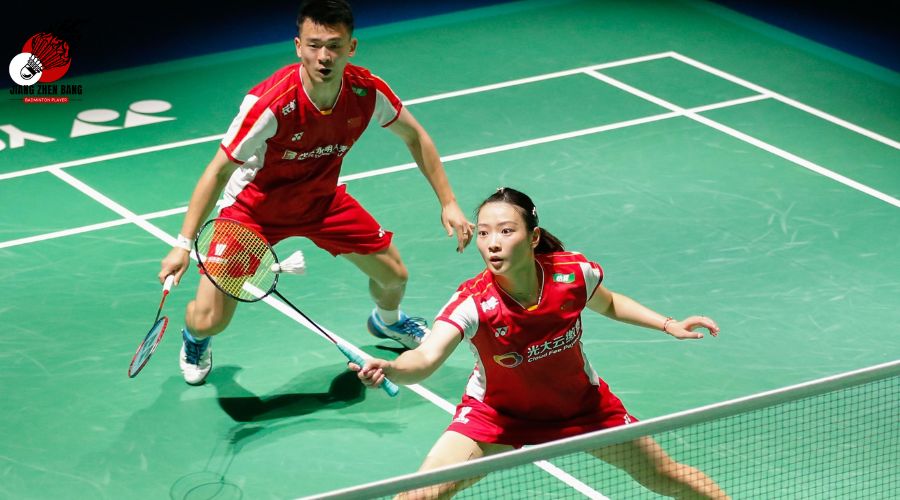
Establishing themselves among the world’s elite (2025 – present)
By 2025, Jiang had transitioned from contender to global force. Their season began with a title at the India Open Super 750, setting the tone for a sustained presence atop the rankings.
On 18 March 2025, Jiang and Wei achieved world No. 1, a milestone reflecting years of relentless refinement. Their silver medal at the 2025 BWF World Championships in Paris further proved their status among badminton’s top-tier partnerships.
Today, Jiang’s history remains a work in progress – but the chapters already written trace a trajectory marked by sacrifice, discipline, calculated development, and an unwavering upward curve.
Achivement
The competitive achievements of Jiang Zhenbang form the structural backbone of his rise to world-class status. More than a record of wins, they illustrate his evolution across junior, senior, and elite tiers of global badminton. Each milestone reflects a different phase of development – from early promise to proven excellence – and together they chart the ascent of one of China’s most compelling mixed-doubles specialists.
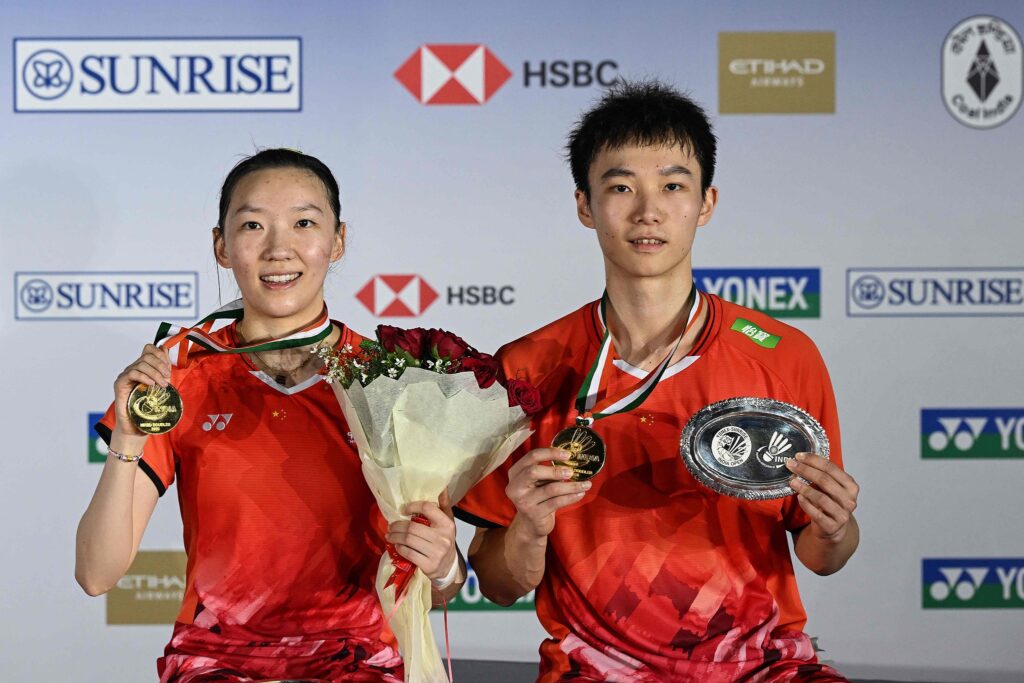
Major milestones and competitive highlights
Before examining the deeper significance of his achievements, it is useful to establish a clear overview of Jiang’s results across key tournaments. His record spans junior breakthroughs, World Tour titles, continental dominance, and podium finishes at the sport’s most prestigious global events.
Browse the continuously updated achievements & ranking history for full tables and timelines.
| Year | Tournament | Discipline | Partner | Result |
| 2019 | Badminton Asia Junior Championships | Mixed doubles | Li Yijing | Bronze |
| 2019 | BWF World Junior Championships | Mixed doubles | Li Yijing | Bronze |
| 2022 | Vietnam International Series | Mixed doubles | Wei Yaxin | Winner |
| 2022 | Indonesia Masters Super 100 | Mixed doubles | Wei Yaxin | Winner |
| 2023 | Badminton Asia Championships | Mixed doubles | Wei Yaxin | Gold |
| 2023 | BWF World Championships | Mixed doubles | Wei Yaxin | Bronze |
| 2023 | Swiss Open (Super 300) | Mixed doubles | Wei Yaxin | Winner |
| 2024 | Indonesia Open (Super 1000) | Mixed doubles | Wei Yaxin | Winner |
| 2024 | Japan Open (Super 750) | Mixed doubles | Wei Yaxin | Winner |
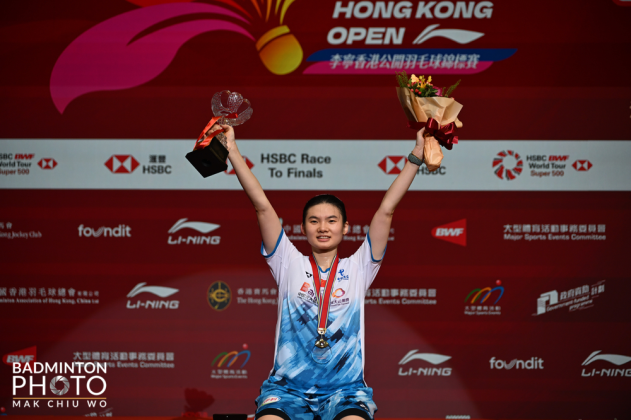
| 2024 | Hong Kong Open (Super 500) | Mixed doubles | Wei Yaxin | Winner |
| 2025 | India Open (Super 750) | Mixed doubles | Wei Yaxin | Winner |
| 2025 | BWF World Championships | Mixed doubles | Wei Yaxin | Silver |
| 2025 | World ranking | Mixed doubles | Wei Yaxin | World No. 1 (18 March 2025) |
Progression from junior success to senior credibility
Understanding Jiang’s achievements requires looking at the trajectory rather than isolated results. His early bronze medals in 2019 were not merely junior accolades but indicators of competitive temperament – proof that he could perform under international pressure. These podiums placed him on the radar of China’s national federation, accelerating his path toward senior competition.
The significance of these medals lies not in the hardware but in the timing: they validated his transition from provincial prodigy to national-level prospect.
Breakthrough victories and the rise of a new mixed-doubles threat
The year 2022 marked Jiang’s transition from potential to impact. Winning the Vietnam International Series and Indonesia Masters Super 100 established him and Wei as a pair capable of immediate results. These tournaments serve as proving grounds for emerging combinations, and their victories signaled strong on-court compatibility.
But it was 2023 that truly shaped their international profile. Winning Asian Championships gold – defeating established world-class opponents – elevated them into the conversation of elite contenders. Their bronze at the World Championships later that year confirmed their legitimacy on badminton’s biggest stage.
This dual achievement – continental dominance and global recognition – often marks the defining moment when an athlete transitions from contender to threat.
Establishing top-tier credentials on the World Tour
Consistency across varying tournament tiers is what separates the great from the good. Between 2023 and 2024, Jiang and Wei demonstrated exactly that consistency. Titles at the Swiss Open, Japan Open, and Hong Kong Open showcased their adaptability across surfaces, climates, and competitive fields.
However, the crown jewel of this phase was the 2024 Indonesia Open Super 1000 victory – one of badminton’s most prestigious titles. Super 1000 tournaments are won by athletes not only at the peak of technical execution but also mental endurance. Jiang’s ability to dominate in these conditions signified his arrival among the world’s elite.
World No. 1 and the validation of sustained excellence
No achievement defines a player’s career quite like ascending to world No. 1. On 18 March 2025, Jiang and Wei reached the top of the BWF rankings – a result of sustained tournament performance, consistent deep runs, and strategic evolution.
What makes this milestone particularly significant is the manner in which it was earned: not through a single explosive season, but through a disciplined accumulation of ranking points across multiple tiers of competition.
Reaching the 2025 World Championship final, securing silver, further cemented Jiang’s reputation as a premier player capable of thriving under championship-level pressure.
What Jiang’s achievements reveal about his competitive identity
Taken collectively, these achievements illustrate four defining traits of Jiang’s career:
- Steady developmental progression – from junior promise to structured national growth.
- Rapid adaptation – demonstrating the ability to absorb senior-level tactical demands.
- High-performance consistency – winning across tournament tiers and continents.
- Peak championship mentality – rising to the occasion in major events.
These traits are not merely historical markers but predictors of long-term viability. At 24, Jiang is still approaching his athletic prime, suggesting that his list of achievements is far from complete.
Contract
At the elite levels of badminton, an athlete’s career is shaped not only by on-court results but also by the economic and institutional structures that support their development. Jiang Zhenbang’s contract situation reflects the unique intersection of China’s national sports system, the global badminton equipment market, and the rising commercial appeal of next-generation mixed-doubles stars.
The framework of China’s national team system
To understand Jiang’s contractual landscape, it is important first to examine the system he operates within. Unlike many Western athletes who negotiate individual sponsorships early in their careers, players within the Chinese national badminton program function under a centralized governing structure. Training, coaching, international travel, and high-performance support are funded by the Chinese Badminton Association and regional sports bureaus.
This framework offers Jiang significant stability:
- full-time coaching and sports science support,
- access to top-tier domestic and national training centers,
- subsidized participation in international tournaments,
- structured performance tracking and long-term athlete planning.
In return, commercial engagements – from equipment sponsorships to advertising – typically pass through federation approval, ensuring brand alignment and regulatory consistency.
Equipment sponsorships and performance-based incentives
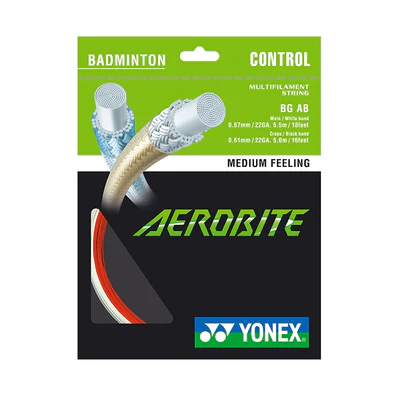
While official details of Jiang’s equipment contracts are not publicly disclosed, patterns within the sport offer clear indicators. Top Chinese athletes typically collaborate with leading badminton brands, securing agreements that cover rackets, apparel, footwear, and performance bonuses tied to major tournament outcomes.
For a player who has reached world No. 1, Jiang’s equipment-related benefits likely include:
- multiple customized rackets designed to complement his rear-court attacking style,
- seasonal apparel releases for both training and international competition,
- tiered bonus structures activated by World Tour titles, continental championships, and World Championship podiums,
- visibility across brand marketing campaigns within Asia’s high-density badminton markets.
Given his rapid ascent and rising recognition, Jiang’s commercial leverage has strengthened substantially between 2023 and 2025.
National team revenue streams and competitive earnings
In addition to sponsorship-backed income, Jiang’s financial structure includes support and performance rewards offered through China’s sports governance system. These typically involve:
- annual stipends for national team athletes,
- prize money allocations from international tournament earnings,
- bonuses for medal performances at major events such as the Asian Championships and World Championships.
While prize money in badminton is modest compared to tennis or golf, consistent deep runs at Super 500, Super 750, and Super 1000 tournaments generate a dependable revenue stream – especially when combined with federation incentives.
As Jiang continues to perform at the highest level, his income reflects both competitive merit and institutional support.
Commercial potential and brand value beyond equipment
Jiang’s expanding reputation also positions him as a valuable figure in Asia’s broader sports commercial landscape. As mixed doubles increasingly captures broadcast relevance, athletes like Jiang represent reliable marketing assets: approachable, marketable, disciplined, and nationally celebrated.
His commercial potential extends to:
- endorsements in sports nutrition and recovery products,
- partnerships with Chinese digital platforms,
- appearances in promotional events tied to major tournaments,
- integration into campaigns targeting young athletes and grassroots badminton programs.
Although China’s regulatory environment maintains strict moderation over athlete endorsement portfolios, Jiang’s rising profile makes him a natural candidate for broader commercial engagement.
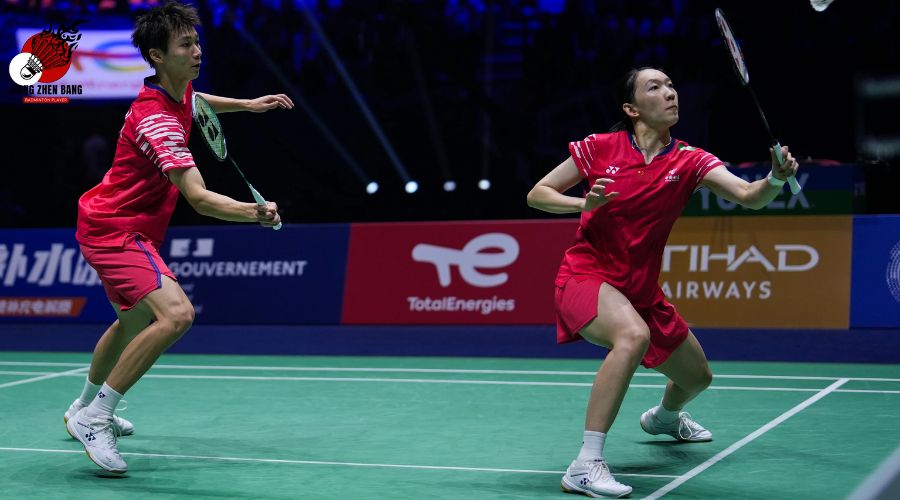
The evolving business arc of a world No. 1
The most important aspect of Jiang’s contract profile is the trajectory rather than the current position. World No. 1 status, paired with steady podium finishes, significantly enhances his bargaining power in future negotiations – particularly as China continues to cultivate mixed doubles as a global showcase discipline.
As Jiang enters the prime years of his career, he stands at a commercially strategic point: backed by a powerful national system, recognized internationally, and increasingly visible across the badminton community. His future contracts – equipment or otherwise – will reflect not only his results but his growing status as one of the sport’s defining contemporary figures.
Personal
Behind Jiang Zhenbang’s composed on-court presence is a personal story shaped by early independence, quiet resilience, and a maturity that seems far older than his 24 years. His journey is not the typical narrative of a prodigy swept effortlessly into stardom; instead, it is the portrait of a young athlete who learned to navigate solitude, expectation, and ambition long before he stepped onto the world stage.
A childhood shaped by distance and discipline
For most children, eight years old is an age defined by familiarity – schoolyards, family routines, the comfort of home. For Jiang, it was the age he left Guilin for Shanghai, beginning a life structured around training halls, athlete dormitories, and the demanding rhythm of provincial sports academies.
Those early years away from home shaped much of who he is today. Living among older athletes, following regimented schedules, and balancing schoolwork with long hours on court taught him the discipline that would later define his career. The solitude of that period, he has suggested in interviews, became a companion – something he neither resisted nor feared, but accepted as part of his growth.
More reflections on discipline, routines, and calm decision-making appear in personal life & insights.
Family influence and the quiet strength behind his rise
Although physically distant from home for much of his youth, Jiang’s story is anchored by the unwavering support of his parents. His father – once a football player in a local police team – introduced him to sports culture and competitive mindset. His mother, according to Chinese reports, adjusted her own work commitments in order to support his training demands.
This foundation of calm, steady encouragement helped Jiang develop an emotional steadiness rare in athletes his age. He competes with a contained intensity, a trait that seems to reflect both his upbringing and the years he spent navigating pressure without dramatics.
Personality on and off the court
Those who know Jiang describe him as measured – neither flamboyant nor withdrawn. On court, he is expressive only in the ways that matter: controlled, focused, communicative with his partner, but never theatrical. Off court, teammates often note his balance of humility and understated confidence. He is not the loudest presence in a room, but his composure naturally commands attention.
His game mirrors his personality: calculated in construction, explosive only when necessary, always aware of rhythm and timing. There is a thoughtfulness in the way he approaches rallies, and that analytical quality extends into his daily habits – training, recovery, mental preparation.
The psychological architecture of a mixed-doubles specialist
Mixed doubles demands an entirely different form of psychological calibration compared to singles. It requires mutual trust, emotional stability, and the ability to adapt one’s instincts to another person’s rhythm. Jiang’s personality is uniquely suited to this discipline.
His communication style is calm but decisive. His patience in building rallies complements the front-court instinctiveness of his partner, Wei Yaxin. There is no ego in his movement – only clarity of purpose. This emotional discipline is not accidental; it is the product of years spent developing accountability, self-control, and the ability to absorb pressure without letting it distort his play.
Life beyond badminton
Public information about Jiang’s life outside sport is intentionally minimal – a reflection of the privacy norms within China’s national programs. Yet glimpses appear: he enjoys following football, a quiet nod to his father’s influence; he values time with family during rare breaks in the season; and he carries a sense of groundedness that suggests fame has not reshaped his priorities.
Those around him often describe a young man who keeps his circle small, values routine, and finds comfort in structure – qualities that translate seamlessly into the high-stakes world of elite badminton.
A portrait still in progress
At just 24, Jiang’s personal story is far from complete. What is clear, however, is that his identity as an athlete cannot be separated from the life he lived before the spotlight: the child who moved cities alone, the teenager who learned to embrace independence, the adult who competes with calm confidence.
His achievements reveal his talent; his personal journey explains his composure. Together, they form the foundation of a career that continues to evolve – steady, disciplined, and unmistakably his own.
Product
For elite badminton athletes, equipment is not merely a set of tools but an extension of identity – a reflection of style, philosophy, and the microscopic demands of high-speed play. In Jiang Zhenbang’s case, the products associated with him reveal the architecture of a mixed-doubles specialist: power anchored by precision, agility complemented by stability, and design informed by the smallest technical detail.
Racket choice as a window into his game
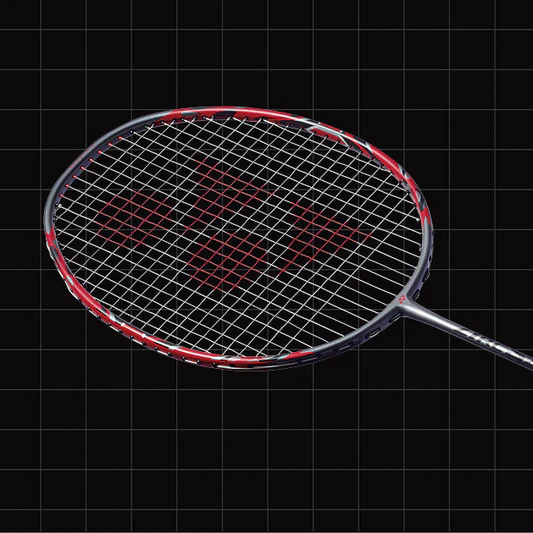
A player who commands the rear court requires a racket that can translate fast-twitch strength into decisive angles. Jiang’s preference typically falls within the category of stiff-shaft, head-heavy performance rackets, engineered for steep smashes and rapid rotational transitions – the hallmark of his attacking style.
These rackets are designed for athletes who thrive on initiating tempo, dictating patterns, and finishing points with clean acceleration. For Jiang, the racket becomes more than a tool; it becomes the conduit through which his tactical decisions translate into the geometry of play.
Footwear built for directional speed and stability
Mixed doubles demands a very different movement pattern from singles: shorter bursts, sharper angles, and a constant negotiation of space shared with a partner. Jiang’s footwear selections typically prioritize lateral stability, controlled cushioning, and a sole structure that allows him to accelerate and decelerate without losing balance.
The shoes he uses – often premium models designed for elite athletes – reflect this duality: supportive enough for powerful lunges, yet light enough for rapid transitions between rallies.
Apparel designed for technical performance, not spectacle
Much like his personality, Jiang’s apparel tends toward understated professionalism. Performance fabrics, moisture-management technology, seamless construction – the technical qualities matter more than aesthetics. His matchwear often mirrors the visual tone of the Chinese national team: minimal, disciplined, symbolic rather than flamboyant.
In training, reports note his reliance on breathable, form-fitting gear that allows unrestricted rotation – essential for a player who generates much of his power through torso engagement.
Training equipment and routine essentials
High-performance athletes build their routines around repetition and micro-adjustments. Jiang’s toolkit often includes:
– precision shuttlecocks used for reproducible trajectory practice,
– resistance bands for shoulder stability work,
– compact recovery tools for travel-heavy tournament blocks.
These items reflect a player who values consistency above all else – the ability to recreate conditions, refine timing, and maintain control even in unfamiliar environments.
The commercial dimension of Jiang’s equipment landscape
While official sponsorship arrangements are governed by China’s national sports system, Jiang’s rising global profile means the equipment he uses inevitably becomes part of his public image. Fans track his racket models; gear enthusiasts analyze his match setups; younger players emulate his configurations in search of the same technical advantages.
In this sense, “product” becomes more than an object – it becomes a language between athlete and audience, a quiet but powerful extension of how Jiang plays, how he trains, and how he sees the sport.
A functional aesthetic anchored in purpose
What makes Jiang’s product identity distinct is its lack of excess. Everything he uses – from racket to shoes to training gear – reflects a single philosophy: remove what is unnecessary, refine what is essential, and let performance speak for itself.
This minimalism, paired with technical precision, mirrors his badminton style. Unflashy, efficient, tightly controlled – each movement, each decision, each piece of gear serves a specific role. In a sport where margins are microscopic, that intentionality becomes a competitive advantage.

News
Jiang Zhenbang and Wei Ya Xin: Analyzing the Rise and Resilience of China’s Mixed Doubles Powerhouse
Jiang Zhenbang and Wei Ya Xin have solidified their standing as one of the most [...]
Feb

HITCLUB Strategic Partner Jiang Zhenbang: Global Strategy
The appointment of Jiang Zhenbang as the HITCLUB Strategic Partner in early 2026 has sent [...]
Jan

Jiang Zhenbang Mixed Doubles Partnership Explained
The Jiang Zhenbang mixed doubles partnership with Wei Yaxin is one of the most finely [...]
Dec

Jiang Zhenbang Personal Life: Early Independence & Growth
The Jiang Zhenbang personal life story is defined not by celebrity spectacle, but by early [...]
Dec
Jiang Zhenbang Playing Style & Personality Blueprint
Understanding Jiang Zhenbang playing style requires more than watching highlights. It means reading the personality [...]
Dec
Jiang Zhenbang Mindset: How He Stays Calm Under Pressure
The evolution of the Jiang Zhenbang mindset is one of the most fascinating aspects of [...]
Dec

Jiang Zhenbang Achievements, Rankings & Career Milestones
The growth of Jiang Zhenbang achievements over recent seasons reflects not only raw talent but [...]
Dec

Jiang Zhenbang vs Wei Yaxin Partnership: Inside Their Chemistry
The rise of the Jiang Zhenbang vs Wei Yaxin partnership is one of the most [...]
Dec